
Seizures in French Bulldogs: 8 Tips On How To Help Your Dog


Seizures in french bulldogs can be quite frightening. However, knowing exactly what to do in such situations makes a huge difference. Therefore, here’s exactly how you should handle seizures in your french bulldog. Additionally, I will outline some of the situations when you should rush your french bulldog to the emergency clinic. I will also highlight some of the situations that your veterinarian will look out for when your french bulldog experiences seizures. I will also outline how you should keep track of seizures so that your french bulldog gets the right medical attention at the right time.

If your French Bulldog is having a seizure right now (save this)
When you see seizures in French Bulldogs for the first time, it’s terrifying — and your brain can go blank. Here’s the checklist I wish every owner had on the fridge:
- Start a timer. Duration matters.
- Keep them safe, not still. Move furniture away, cushion the head, block stairs.
- Don’t put your hands near the mouth. Dogs can bite accidentally during a seizure.
- Dim lights / reduce noise. Some dogs are sensitive to stimulation.
- Record a short video (if you safely can). It helps your vet identify seizure type.
- After it ends: keep the room quiet, offer a soft voice, and let them “reboot.”
When it’s an emergency (go now)
Seek urgent veterinary care if:
- The seizure lasts more than 5 minutes (status epilepticus)
- There are multiple seizures in 24 hours (cluster seizures)
- Your dog struggles to breathe, won’t wake up properly, or you suspect toxins (xylitol, chocolate, medications, etc.)
What do seizures in French Bulldogs look like?
Seizures in french bulldogs don’t always look like dramatic full-body convulsions. Some are obvious, but others can be subtle — like repeated facial twitching, strange jaw movements, or short “staring spells.”
The most helpful way to think about it is by seizure type and what you may see before, during, and after the episode.
1) Generalized seizures
These are the classic seizures most people picture. Dogs typically lose awareness and their whole body is involved.
You might see:
- Sudden collapse onto their side
- Legs go stiff, then rhythmic paddling/jerking
- Chomping/chewing motions or jaw snapping
- Heavy drooling/foaming
- Urination/defecation
- Sometimes vocalizing (it can sound scary, but it’s common)


2) Focal (partial) seizures
Focal seizures affect only part of the brain, so they can look “smaller” — and they’re often mistaken for odd behavior or a weird habit. Some dogs stay somewhat aware; others don’t. Focal seizures can also progress into generalized seizures.
Signs can include:
- Facial twitching (one side of the face), blinking, ear twitching
- Repetitive lip licking, tongue chewing, or “fly-biting” type snapping
- Head bobbing or one limb jerking
- Sudden staring/zoning out with little response to your voice
- Brief bursts of unusual behavior (restlessness, anxiety, “not themselves”)
3) What you might notice right after a seizure (post-seizure behaviors)
For many owners, the after part is the most confusing — because your Frenchie can look “awake,” but still not fully back to normal.
Common post-seizure signs include:
- Confusion/disorientation (they may pace, wander, or seem lost)
- Wobbly walking or clumsiness
- Temporary blindness or bumping into things
- Intense thirst or hunger
- Being extra clingy, needy, or unsettled
One important safety note: some dogs can act snappy or startled in the recovery phase simply because they’re confused — so give space and avoid hugging their head/face until they’re clearly oriented.
French bulldog seizure phases you might notice (before, during, after)
Veterinary references often describe three stages. Not every dog shows every stage — but knowing them helps you recognize patterns.
Pre-ictal (aura): minutes to hours before
This can be subtle. Some Frenchies seem totally normal; others show a “something’s off” window.
You might notice:
- Restlessness, pacing, whining
- Clinginess or hiding
- Sudden anxiety, staring, or acting unusually needy
Ictal: the seizure itself
This is the active seizure period — often seconds to a few minutes, though it can vary. Time it with your phone if you can do so safely.
Emergency thresholds matter:
- >5 minutes can be status epilepticus (emergency).
- More than one seizure in 24 hours is often called cluster seizures (urgent vet guidance).
Post-ictal: the recovery window (minutes to hours)
Think of it like a brain reset. Your dog appears to be awake, but they’re confused, thirsty, hungry, or restless.
What is a seizure vs. syncope/fainting?
Sometimes, what appears to be a seizure is actually syncope, or fainting. This is especially common in brachycephalic breeds. The best course of action is to err on the side of caution and assume that any episode of collapse is worth seeking veterinary care for. I recommend you to record your pet to help your veterinarian determine whether it was a seizure or syncope.
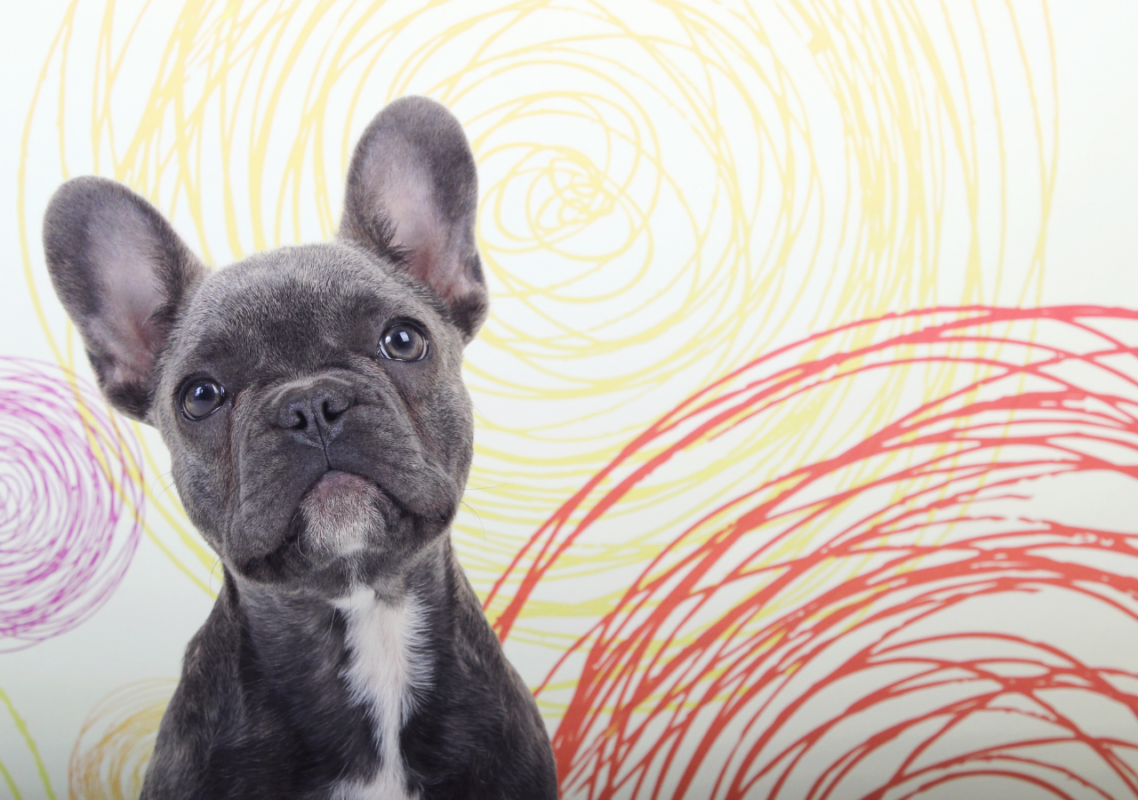
Causes of French Bulldogs’ Seizures
“Seizures in French Bulldogs” is not a medical diagnosis. It is a symptom that can have a variety of different underlying causes. Here are what veterinarians consider to be the big buckets of what can cause a seizure in Frenchies:
1) Idiopathic Epilepsy
A group of canine seizures that have no known underlying cause.
2) Structural Brain Disease
Brain trauma, meningitis, or tumors can all cause seizures, although they require imaging studies to diagnose accurately.
3) Reactive Seizures
These occur when something outside of the brain interferes with the body’s natural balance, including:
- Blood sugar problems, electrolyte problems, kidney or liver disease
- Toxins, including chocolate, xylitol, human medication, or certain plant/pesticide exposure
If you suspect that your dog has ingested something toxic, it is not advisable to wait and see what happens. Please contact your veterinarian immediately.
How your vet will usually work it up (and what to bring)
A strong vet visit can shorten the “guessing period” dramatically.
What to track before the appointment
Create a seizure diary (it genuinely helps):
- Date/time
- Duration (timer!)
- What it looked like (video if possible)
- Sleep, stress, food changes, heat exposure, new meds/supplements, possible toxins
- Recovery notes: thirst, confusion, pacing, weakness
Common diagnostics
Veterinary sources often recommend baseline testing to rule out reactive causes:
- Physical + neuro exam
- Bloodwork + urinalysis (and sometimes bile acids)
- Imaging (MRI/CT) if structural causes are suspected
8 practical tips that actually help owners manage seizures in French Bulldogs
Tip 1: Learn your dog’s “pattern”
Many Frenchies have a recognizable rhythm: a weird “aura,” then seizure, then a specific recovery behavior (clingy, hungry, thirsty, pacing). Knowing the pattern helps you respond faster and stay calmer.
Tip 2: Build a safe “seizure zone” at home
- Block stairs
- Keep sharp furniture corners padded
- Use rugs/mats on slippery floors
- Avoid leaving your Frenchie unattended on couches/beds if seizures are frequent
Tip 3: Keep your response simple and consistent
Your job is not to stop the seizure with willpower — it’s to time it, protect them, reduce stimulation, and know when it’s emergency-level.
Tip 4: Talk to your vet about an emergency plan
Ask directly:
- “At what duration do I go to ER?”
- “If my dog clusters, what do I do?”
- “Do we need rescue meds at home?”
Status epilepticus and cluster seizures are treated as emergencies in veterinary guidance.
Tip 5: Understand medication options (without DIY-ing anything)
Common anti-seizure medications your vet might discuss include:
- Phenobarbital
- Levetiracetam (Keppra)
- Potassium bromide
…and other options depending on the case.
These drugs are managed long-term and monitored by your veterinarian (dosage changes and blood monitoring can matter).
Tip 6: Identify triggers (but don’t blame yourself)
Triggers vary, but owners often notice patterns like:
- Stress / overstimulation
- Sleep disruption
- Heat / overheating
- Diet changes (especially sudden ones)
- Toxins
Frenchies overheat easily — and severe overheating can be dangerous. If your dog is prone to heat stress, keep this guide handy: https://frenchiespace.shop/french-bulldog-heat-stroke-13-best-tips/
Tip 7: Clean up the “risk factors” you can control
This isn’t about perfection — it’s about stacking the odds in your favor:
- Keep xylitol products locked away (gum, candies, peanut butter, baked goods)
- Learn common toxic foods (chocolate, grapes/raisins, etc.)
- Review your home for accessible medications (ibuprofen, ADHD meds, sleep aids, etc.)
Tip 8: Support overall health with routines that reduce stress
A steady routine can help some dogs with seizure thresholds:
- Predictable sleep/wake schedule
- Gentle daily movement (Frenchie-appropriate)
- Enrichment toys, sniff walks, short training sessions
- A consistent diet plan (avoid sudden switches). Read my blog post on what is the best diet for French bulldogs. If you think that you don’t feed your dog with appropriate food, then this blog post will help you find the best for your pooch.
- Since excessive water drinking is often connected with epilepsy in dogs, my recommendation is to read the following blog post as well: https://frenchiespace.shop/why-is-my-french-bulldog-drinking-so-much-water/
Living with French Bulldog epilepsy (what “good management” looks like)
If your Frenchie is diagnosed with epilepsy, success usually means:
- Fewer seizures
- Shorter seizures
- Faster recovery
- Less clustering
- A plan you can follow at 2 a.m.
Also: don’t underestimate how draining this is emotionally. Connecting with your vet team (and other owners) can make you feel less alone — and more confident. In most cases, dogs get prescribed anticonvulsants to stay prevented from frequent seizures.
FAQ: seizures in french bulldogs
Are seizures painful for dogs?
Many dogs are not aware during the ictal phase, but the episode is still serious — especially if prolonged or repeated.
How long is “normal” for a seizure?
Many seizures are short (often around a minute or two), but longer than 5 minutes is considered an emergency in veterinary guidance.
Can toxins cause seizures?
Yes. Chocolate toxicity and xylitol toxicity are both associated with neurologic signs including seizures, and require urgent help.
What should I tell my vet after a seizure?
Bring:
- Duration (timer)
- Video
- Recovery notes
- Any suspected exposures (foods, meds, chemicals)
Dealing with seizures in French bulldogs
Seizures in French Bulldogs can be frightening, but you’re not helpless. If you remember just three things, make them these: time the seizure, keep your dog safe, and know the emergency thresholds. Then work with your veterinarian on a plan — because with good management, many Frenchies still live very happy, very loved lives.


 French Bulldog Jackets & Coats
 French Bulldog Dresses & Skirts
 French Bulldog Hoodies
 French Bulldog Sweaters
 French Bulldog Shirts
 French Bulldog Pajamas
 French Bulldog Costumes
 French Bulldog Life Jackets

 French Bulldog Collars
 French Bulldog Harness
 French Bulldog Backpacks


